culture
Young Cairns Chefs Champion Indigenous Ingredients, Reshape Local Dining Scene
A new generation of cooks and food entrepreneurs is redefining Cairns' dining scene by putting Indigenous ingredients and local seafood at the centre of the plate.
Listen in English · 4 min
How we reported this
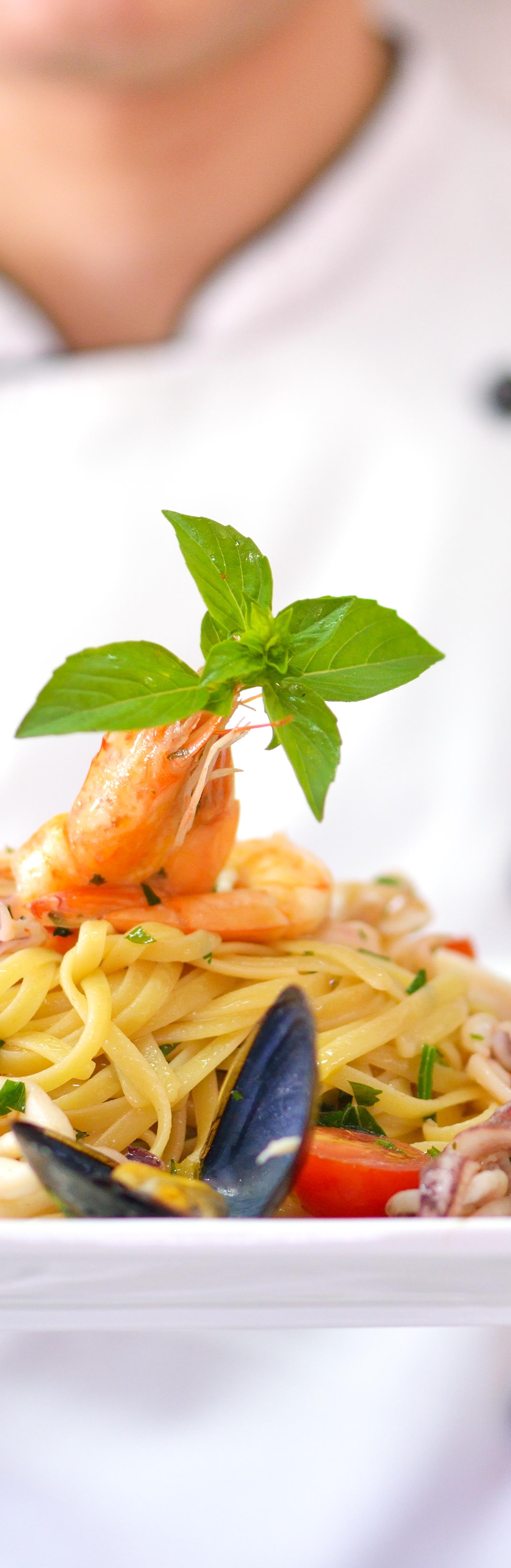
Cairns has long punched above its weight as a food destination, with more restaurants per capita than most Australian cities and a commercial fishing port that supplies reef fish, wild-caught prawns and billfish straight to the kitchen. Now a new generation of chefs and food makers is taking that legacy forward, weaving traditional Indigenous 'bush tucker', kangaroo fillet, barramundi, finger limes, wattleseed and even green ants, into menus that feel both ancient and fresh.
Fusion built on country
The city's culinary DNA has always been a fusion of Tropical North Queensland produce, Asian techniques and Indigenous Australian traditions, according to local food guides [1]. What is different about the emerging talent is the confidence to put native ingredients front and centre, rather than treating them as garnish. Witchetty grubs, once a niche curiosity, are appearing as a crunchy, nutty component on tasting plates; green ants lend a citrusy pop to cocktails and desserts. Barramundi, a local staple, is being paired with house-made wattleseed damper and fermented chilli, reflecting the down-to-earth, natural style that defines Cairns dining [1, 2].
Much of this energy builds on the city's role as a key commercial fishing hub, with trawlers landing reef fish, wild-caught prawns and billfish daily. Because the seafood is so close to the source, the new wave of cooks can let it speak for itself: think grilled mackerel served with nothing more than finger-lime vinaigrette and a handful of local greens, or prawns charred over coals and finished with native spices [3].
Festivals and the melting-pot effect
Cairns' multicultural population, which includes a significant Japanese community and a strong Torres Strait Islander presence, gives the food scene a depth that young chefs are keen to explore. The annual Cairns African Festival, which celebrates cuisine and culture from 54 countries, and the Cairns Italian Festival offer a taste of the city's diversity, and the next generation is increasingly collaborating across those communities, fusing Ethiopian berbere with Australian tropical fruit, or Japanese dashi with local reef fish [4, 8, 9].
Alfresco dining remains the Cairns way of life, the tropical climate demands it, and the emerging voices are embracing what the region calls 'destination dining': relaxed, seasonal menus that don't try too hard, served under the stars or overlooking Trinity Inlet [5]. The emphasis is on unpretentious quality and regional ingredients, rather than imported labels or fussy plating.
What's next on the plate
For visitors looking to taste the new Cairns, the best approach is to follow the produce. Start at the city's waterfront restaurants, where barramundi and prawns travel from boat to table in hours. Ask about native ingredients on the menu, a growing number of chefs are happy to explain how they source finger limes from the Atherton Tablelands or roast wattle seeds in-house. The Tropical North Queensland tourism site maintains a list of eateries focusing on regional food, and it is worth checking the calendars for the African and Italian festivals, which draw crowds of locals and travellers alike [4, 6].
As the next wave of cooks and food entrepreneurs comes through, Cairns is proving that its food identity is not a relic of the past, it is something being built, garnish by native garnish, in kitchens across the city.